Published January 31, 2025
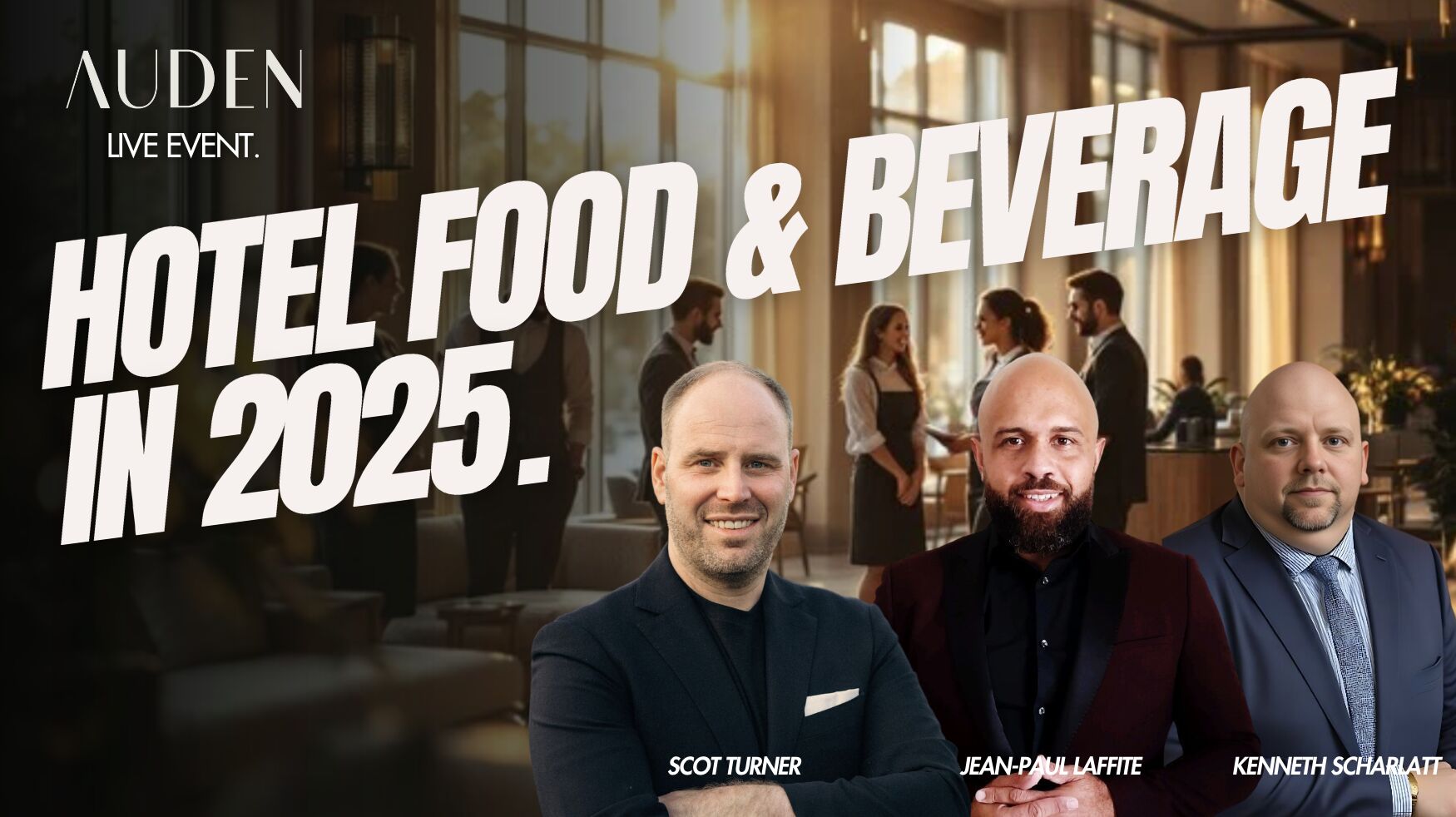
Recently, I had the privilege of joining Scot Turner from Auden Hospitality and Jean Paul Laffite from 5 Star Hospitality for an in-depth podcast discussion about the future of hotel food and beverage in 2025. One of the most compelling segments of our conversation was about storytelling—how hotel restaurants and bars need to tell their story to truly engage with guests and prospective diners.
And let me tell you, this isn’t just a trendy marketing buzzword. This is the key to creating a restaurant or lounge that thrives.
People don’t just go out to eat for sustenance anymore. They want an experience. They want to be immersed in something memorable. They want to leave a restaurant or bar feeling like they were part of something special, something bigger than just another meal or cocktail. This is where storytelling becomes a non-negotiable component of success in hotel food and beverage.
But here’s the catch: The story has to be real. It has to be authentic. Guests can sniff out inauthenticity a mile away. Forced narratives don’t work, and if your story feels like it was crafted in a corporate boardroom with zero passion, you’re already losing the battle. Instead, the best hotel restaurants and lounges have a pulse, a heartbeat, a soul—one that naturally emerges from the concept, the people behind it, the location, and the guests who walk through its doors every day.
During the podcast, Scot made an excellent point about how independent restaurants know their story from day one and they lean into it. It's their identity, their differentiator, and ultimately what keeps people coming back.
JP mentioned how hotel restaurants often struggle with this because they're trying to be everything to everyone, so they lose that personal and intimate connection that independent spots thrive on.
Independent restaurants and lounges are masters of storytelling because their very existence depends on it. These establishments know they need to carve out a niche, build a loyal following, and create an emotional connection with their guests. They don’t have the safety net of built-in hotel occupancy to rely on for traffic. Instead, they craft compelling, experience-driven narratives that give guests a reason to return—and tell others about it.
Think about your favorite independent restaurants and bars. They often have a backstory about the owner, a unique concept rooted in the local culture, a commitment to a specific cuisine or craft, and a deep connection to the community. They celebrate their chefs, their mixologists, their farmers, and their partnerships. They make the guest feel like they are part of something exclusive and special. Their branding, from menus to website copy to social media, reinforces this storytelling in a seamless, engaging way.
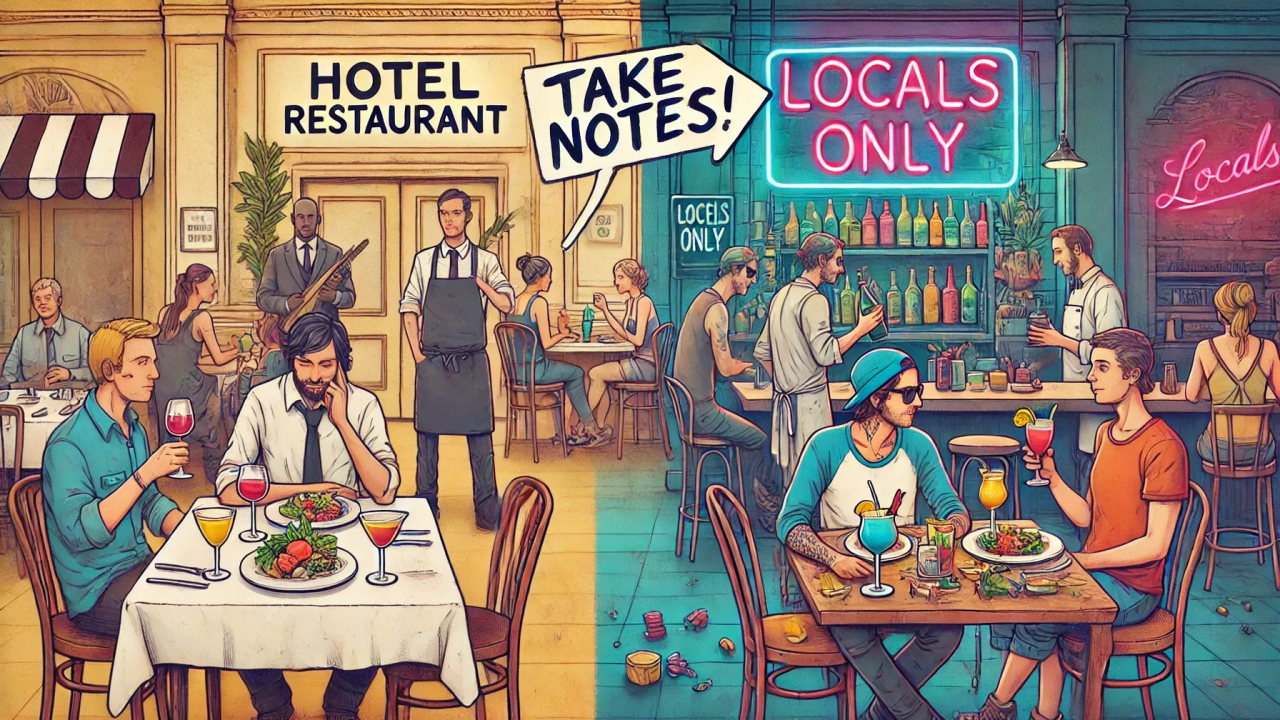
On the other hand, hotel food and beverage operations have historically struggled with this. Too often, hotel restaurants and lounges are treated as an amenity rather than a destination. They are frequently designed to blend into the background of the hotel rather than stand out as something distinct and exciting. The result? A generic, uninspiring dining experience that doesn’t attract outside guests or generate buzz.
So where can hotel food and beverage operations start incorporating these independent restaurant strategies?
- Develop a Unique Identity – Hotel restaurants need to stop leaning so heavily on the hotel brand and start defining their own personalities. The name, the menu, the atmosphere—everything should tell a compelling and cohesive story.
- Highlight the People Behind the Concept – Independent restaurants do a phenomenal job of showcasing the people behind the food and drinks. Hotel outlets should embrace this too. Feature the executive chef, the lead mixologist, the local farmers and purveyors supplying the kitchen. Share their stories, their passions, and their inspirations.
- Engage with the Local Community – Hotel restaurants need to stop thinking only about hotel guests and start engaging with the surrounding area. Host special events, partner with local artisans, participate in community festivals—become a go-to spot for locals, not just travelers passing through.
- Infuse the Story into Marketing – Independent venues craft every piece of branding to reinforce their story. Hotel F&B needs to do the same. The website, social media, menus, and even the staff uniforms should align with the overarching narrative. Every touchpoint should remind guests why they are there.
- Create Signature Offerings – One thing independent restaurants do exceptionally well is create must-try dishes or drinks that keep people talking. Hotel restaurants need their own signature cocktails, shareable plates, or exclusive experiences that make dining there a bucket-list-worthy event.
- Encourage Guest Participation in the Story – Whether it’s through tableside presentations, storytelling menus, or interactive tastings, hotel F&B should invite guests to be part of the experience rather than just passive diners. Let them connect with the history, the flavors, and the creativity that went into the meal.
- Stop Relying Solely on Hotel Guests – This is one of the biggest mistakes hotel restaurants and bars make. Too often, they assume hotel guests alone will sustain the business. But the reality is, if you’re not actively engaging with and drawing in the local community, your restaurant will struggle to be profitable. Independent restaurants thrive because they cultivate a loyal, repeat local customer base. Hotel F&B outlets need to do the same. Build a following with locals by offering events, loyalty programs, seasonal menus, and neighborhood collaborations. When your venue becomes a place the local community chooses to visit regularly, it no longer lives and dies by hotel occupancy rates.
This approach is more critical now than ever before. The American Hotel & Lodging Association recently revealed that 65% of the traveling public now use food and beverage to influence their decision on where to travel to and where to stay. Let that sink in. More than half of travelers are making hotel choices based on the culinary and beverage experiences they anticipate. That means food and beverage is no longer just an amenity—it is a driving force behind a property's success. Hotels that fail to recognize this shift are missing a massive opportunity to capture market share and build true brand loyalty.
Hotels that succeed in 2025 and beyond will be the ones that recognize their F&B outlets as destinations in their own right, not just amenities for overnight guests. The modern traveler is actively seeking unique, memorable food and beverage experiences, and if your venue isn’t telling a compelling story, it’s going to be left behind.
I’ve spent over 15 years in this industry -- both on the independent restaurant and bar side and now calling hotel F&B my home -- and I can tell you this with certainty: The restaurants and bars that will win in the future are the ones that get this right. The ones that aren’t afraid to be different. The ones that embrace authenticity, that create emotional connections, that make every guest feel like they’ve just stepped into something truly remarkable.
So I challenge you: What’s your story? And are you telling it in a way that makes people actually care? If not, it’s time to start. Because in this industry, the best stories don’t just get told. They get lived.
CLICK IMAGE BELOW TO WATCH FULL DISCUSSION